The 5 Best Winter Seed Heads!
- Sam Kerins
- Nov 20, 2025
- 2 min read

Achillea (Yarrow)
Named varieties such as Achillea ‘Moonshine’ produce stronger, longer-lasting seedheads than the wild form.
Different species are native across Europe, Asia and North America. It’s drought-resilient and named as a top plant for pollinators in the RHS’s list of the best pollinator plants.

Allium christophii
Its large, star-shaped seedheads are sculptural and can even be sprayed gold for Christmas decorations. Hardy to –28°C/-20F. Native to Asia and the Middle East and not usually considered invasive although some other varieties of allium can be very invasive indeed. Check where you are.

Allium Christophii has a big star seedhead which keeps its shape longer than many other alliums. Seen here with Hylotelephium (formerly Sedum) ‘Matrona’ which also has beautiful seedheads.
Foxgloves (Digitalis)
Self-seeding biennials with statuesque spikes. I let them self-seed around my garden. Native to the UK, though invasive in North America.

Hydrangeas
There are many different types of hydrangea, with hundreds of varieties in each type. Some – but not all – have striking dried flower heads in gold and bronze tones. The old blooms protect next year’s buds from frost, so don’t cut them until spring.
Some hydrangeas are native to the Americas and others to Europe and Asia. While most plants with seed heads are valuable to wildlife, many hydrangeas have limited wildlife value in the garden.

Hydrangeas are one of the best plants for seed heads and they look beautiful in frost. Hardiness varies but some down to -40C!
See our guide on how to prune your hydrangeas!
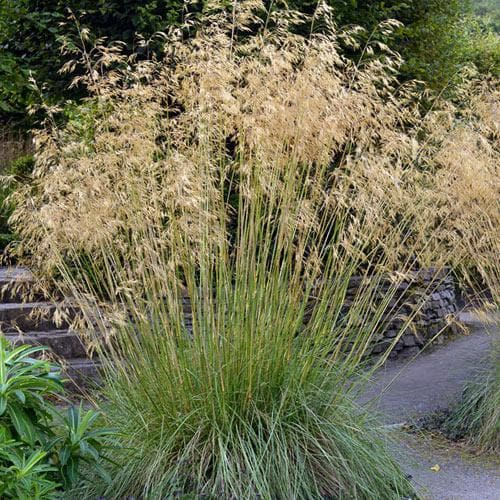
Ornamental Grasses
From low-growing Panicum elegans ‘Sprinkles’ to statuesque Miscanthus, Calamagrostis ‘Karl Foerster’ and Pennisetum ‘Black Beauty’, grasses provide movement, sound, and texture all winter long. Grasses are either evergreen or deciduous. The deciduous ones have leaves that go brown in winter. In spring, you clip them to the ground so they’re very easy to look after.

We have another post on our top three ornamental grasses to grow in your garden!


Comments